After four years of guiding on Kenyan trails, I have seen it all. I've watched people show up with 20kg expedition packs for a simple 6-hour walk, and I've watched people step onto rocky inclines wearing flip-flops. Both are completely avoidable mistakes.
Striking the right balance between staying light and being fully prepared is key to enjoying the trail. Here is the exact gear checklist I give every hiker before we head out into the wild.
1. Footwear: Boots vs. Trail Runners
Trail runners are usually more than sufficient for most day hikes on established Kenyan trails. They are lightweight, breathable, and dry quickly if you cross a stream.
Full ankle-support boots are only strictly necessary for rocky, high-altitude routes (like Mount Kenya) or extremely wet, muddy terrain (like the deep Aberdares).
Golden Rule: Whatever you wear, test them thoroughly before trail day. Wearing brand-new shoes on a long trek is a guaranteed recipe for painful blisters.
2. Water & Hydration Strategy
- Half-day hike: 2 litres minimum.
- Full-day hike: 3 litres minimum.
A soft flask or a hydration bladder inside your pack is far more practical than carrying rigid plastic water bottles. It distributes weight evenly against your back and makes sipping on the go effortless.
3. Layering for Unpredictable Weather
Weather on Kenyan trails can shift rapidly, moving from scorching sun to freezing summit winds in a matter of minutes. Master the three-layer rule:
- Base Layer: A moisture-wicking synthetic or merino wool shirt to keep sweat off your skin.
- Mid-Layer: A lightweight fleece to trap body heat during early morning starts and high-altitude summits.
- Outer Shell: A breathable rain jacket or windbreaker. Rain can arrive fast in Kenya, especially during the long rains (March to May) and short rains (October to November).
4. The Ideal Pack
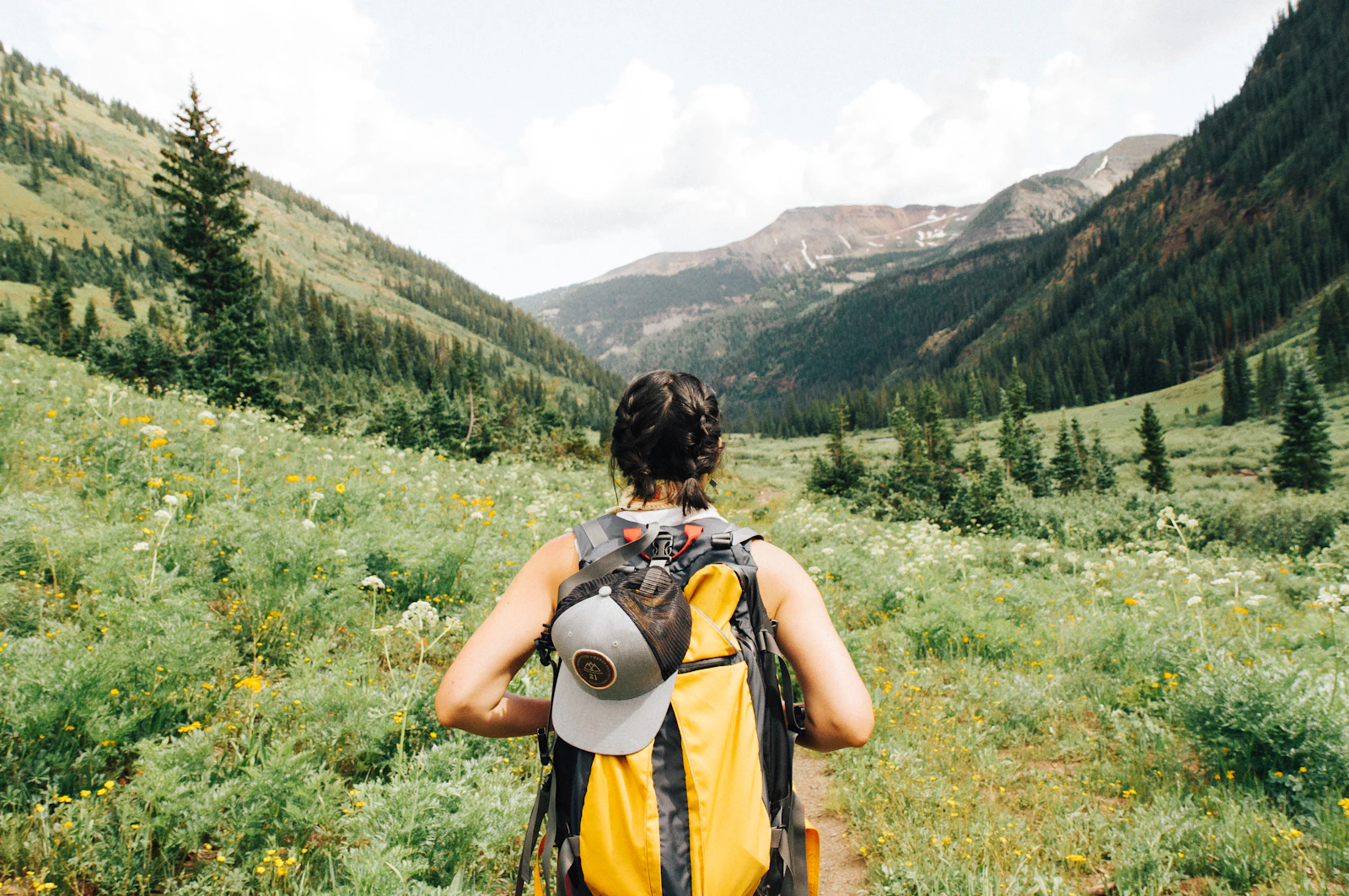
A 20 to 25-litre daypack is the absolute sweet spot. It is spacious enough to carry your water, layers, and lunch, but compact enough to maintain your balance on steep, narrow ridges. Ensure it has chest and waist straps to keep it snug against your torso.
5. Nutrition & Fuel
Do not rely on cafes or trail vendors on most Kenyan routes—on almost all wilderness trails, there are none.
- Pack a mix of high-energy snacks: trail mix, dates, nuts, and energy bars.
- Bring at least two proper food portions for a full-day hike (sandwiches, chapatis, or high-carb meals).
- Keep a few extra high-calorie snacks tucked in your bag for unexpected delays.
6. High-Altitude Sun Protection
The sun at high altitude in Kenya is remarkably aggressive, even on cold or completely overcast days. Do not skip on these:
- SPF 50+ Sunscreen: Reapply every few hours.
- Lip Balm: SPF-rated to prevent cracked lips in dry mountain air.
- Headwear: A wide-brim hat, cap, or a versatile buff to protect your neck and scalp.
7. Compact First Aid Kit
Never step onto a remote trail without a basic, functional first aid kit. At minimum, ensure your kit contains:
- Blister plasters / moleskin
- Antiseptic wipes and alcohol swabs
- Sterile gauze and adhesive bandages
- Pain relief & anti-inflammatories (ibuprofen/paracetamol)
- Rehydration salts
Summary Checklist
Keep it simple, pack smart, and leave space in your bag for what matters most. Everything outside of these core essentials is optional. Respect the trail, prepare well, and we’ll see you on the next adventure!
- Kenya
- Hiking
- Gear
- Day Hike
- Trail Tips